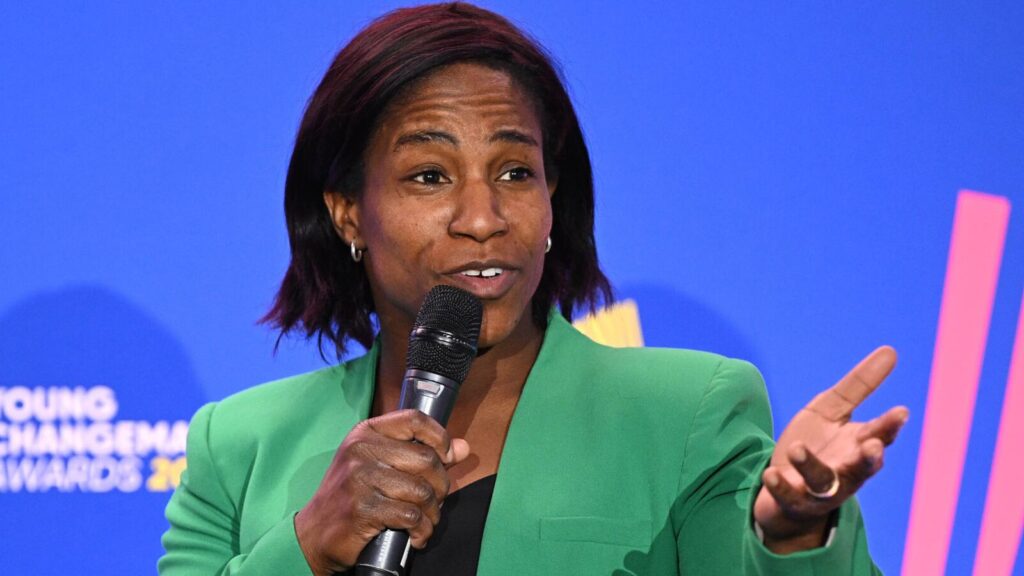
In a significant development that has sent shockwaves through English rugby, Rugby Football Union Council member Matt Smith has tendered his resignation following the emergence of discriminatory online comments directed at World Cup-winning former England international Maggie Alphonsi. The incident has reignited crucial conversations about equality, respect and governance within the sport’s corridors of power, casting a shadow over the RFU at a time when the organisation has pledged to champion diversity and inclusion at all levels of the game.
Background on Maggie Alphonsi
Maggie Alphonsi MBE stands as one of the most decorated figures in women’s rugby history. The 40-year-old former flanker, born in London to Nigerian parents, earned 74 caps for England between 2003 and 2014, establishing herself as a fearsome presence in the back row. Her crowning achievement came in 2014 when she captained England to World Cup glory in France, cementing her legacy as one of the game’s true pioneers. Known for her bone-crunching tackling and tireless work rate, Alphonsi was named World Rugby Women’s Player of the Year in 2010 and has since transitioned into a successful broadcasting and ambassadorial career, becoming a prominent voice for women’s sport and diversity in rugby. Her contributions to growing the women’s game have been immeasurable, making the discriminatory remarks all the more troubling within the rugby community.
The RFU Council and Governance Context
The Rugby Football Union Council represents the governing body’s legislative arm, comprised of representatives from across English rugby’s constituent bodies. Matt Smith’s position on this council placed him in a role of significant influence over the sport’s direction and values. The RFU has been under increasing scrutiny in recent years regarding its commitment to equality and diversity, particularly following the growth explosion in women’s rugby and the Red Roses’ dominance on the world stage. With record attendances at Twickenham for women’s internationals and significant investment in the women’s game, the RFU has publicly positioned itself as a leader in promoting an inclusive rugby culture. This incident strikes at the heart of those stated values, raising questions about vetting processes and accountability for those in positions of governance. The council’s role in shaping policy means that discriminatory views at this level represent a fundamental breach of trust with the wider rugby community.
Details of the Resignation
While the specific nature of the discriminatory comments has not been fully detailed publicly, the severity was sufficient to prompt Smith’s immediate resignation from his council position. The RFU moved swiftly once the comments came to light, with the organisation expected to release a formal statement condemning the remarks and reaffirming its commitment to zero tolerance for discrimination. Smith’s departure from the council is understood to be permanent, with no prospect of return to any governance role within the RFU structure. The incident reportedly involved social media posts that contained offensive content regarding Alphonsi, whose prominence as both a player and pundit has made her a leading figure in rugby’s ongoing conversation about representation. The speed of the resignation suggests the comments were indefensible and contrary to the RFU’s publicly stated values on equality, diversity and inclusion.
What This Means for English Rugby
This resignation arrives at a pivotal moment for rugby union as it attempts to modernise its image and broaden its appeal beyond traditional demographics. The women’s game has been the sport’s fastest-growing sector, with the Red Roses’ professionalism and success driving unprecedented interest and participation. Any perception that discriminatory attitudes persist within the RFU’s governance structures threatens to undermine years of progress and investment. For Alphonsi personally, the incident represents an unwelcome reminder that even trailblazers of her stature remain targets for prejudice. The broader rugby community has rallied in support, with current players and administrators expected to make clear statements backing Alphonsi and rejecting discrimination. This episode will likely accelerate calls for reform of the RFU’s governance structures, with questions raised about diversity among council members and the mechanisms for ensuring those in positions of power uphold the values they claim to represent. The incident also highlights the ongoing challenges facing women and people of colour in rugby, despite surface-level progress. How the RFU responds beyond accepting Smith’s resignation will be crucial in determining whether this becomes a catalyst for meaningful change or merely another controversy that fades from view.