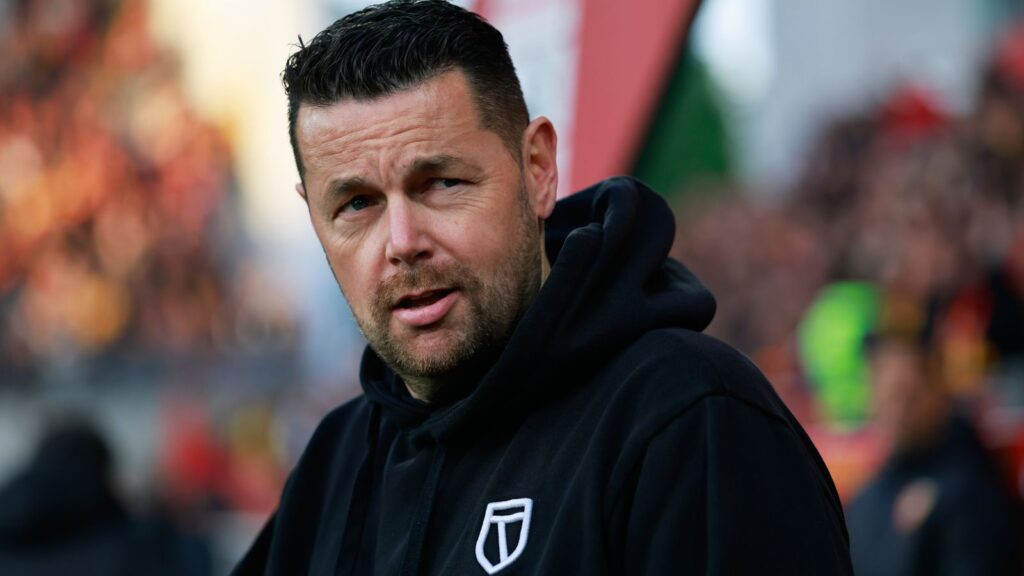
Crystal Palace have moved decisively to end their managerial search, agreeing a deal in principle with Pierre Sage to become their new head coach. The 45-year-old Frenchman, who has impressed during his tenure at RC Lens, is set to take the reins at Selhurst Park in what represents a significant coup for the South London club. Palace have been operating without a permanent manager following their recent upheaval, and the club’s hierarchy believe they have found the progressive, tactically astute coach to lead them into a new era.
Manager Profile
Pierre Sage, aged 45, is a French coach who has carved out an impressive reputation in Ligue 1 with his methodical approach and ability to develop young talent. Though relatively unknown in English football circles, Sage has been quietly building a stellar CV in France’s top flight. His Lens side have become renowned for their high-pressing, possession-based football that mirrors the modern European game. Sage favours a flexible 3-4-2-1 system that can seamlessly transition into a back four, emphasising vertical passing and aggressive counter-pressing. His teams typically rank highly in metrics such as progressive carries, high turnovers, and expected goals, reflecting a data-informed coaching philosophy. At Lens, he maintained a win percentage hovering around 48% whilst consistently overachieving their wage bill expectations, guiding them to European qualification and establishing them as genuine contenders in French football’s upper echelons.
Club Analysis
Crystal Palace’s interest in Sage reflects chairman Steve Parish’s ambition to modernise the club’s footballing identity. Following years of pragmatic, defence-first football, Palace are keen to evolve into a more progressive outfit capable of competing in the Premier League’s top half. Currently languishing in mid-table, the Eagles possess talented individuals like Eberechi Eze and Michael Olise who could thrive under Sage’s attack-minded system. The Frenchman’s track record of developing young players aligns perfectly with Palace’s academy-to-first-team pathway, which has produced the likes of Aaron Wan-Bissaka and Wilfried Zaha in recent years. Parish and sporting director Dougie Freedman have studied Sage’s work extensively, believing his tactical flexibility and ability to extract maximum value from modest budgets make him the ideal candidate to challenge for European places within three seasons. Palace’s strong defensive foundation, built around Marc Guéhi and Joachim Andersen, provides the platform for Sage to implement his more expansive approach without compromising solidity.
Transfer Breakdown
Whilst managerial appointments don’t involve transfer fees in the traditional sense, Palace are understood to be paying compensation to Lens in the region of £4-5 million to release Sage from his contract, which had two years remaining. The deal represents a significant financial commitment from the Palace hierarchy, underlining their conviction in the appointment. Sage is expected to sign a three-year contract with an option for a further year, reportedly worth £3.5 million annually, placing him amongst the Premier League’s better-compensated coaches outside the traditional elite. The likelihood of this deal being completed stands at ‘Advanced’, with only final paperwork and work permit formalities remaining. Palace moved quickly to fend off interest from several Ligue 1 clubs and a Championship side, with Sage ultimately swayed by the opportunity to test himself in the world’s most competitive league. Lens have already begun identifying potential successors, with former midfielder Franck Haise emerging as their preferred replacement.
What This Means
Sage’s appointment signals Crystal Palace’s intent to break free from their established mid-table ceiling and join the Premier League’s progressive elite. This represents a calculated gamble on a relatively unproven commodity in English football, but one with substantial upside if his methods translate successfully. Palace supporters have reacted with cautious optimism on social media, intrigued by highlights of Lens’s flowing football whilst remaining pragmatic about the challenges of adaptation. The broader Premier League landscape continues to welcome innovative continental coaches, and Sage joins a growing cohort of French tacticians making their mark in England. His success or failure could influence how English clubs view Ligue 1’s coaching talent pool going forward. For Palace, this appointment must catalyse genuine progression—European qualification within two seasons wouldn’t be unrealistic given the squad’s quality and the club’s resources. The South London outfit have made bold statements before, but this feels different: a coherent, strategic vision rather than a reactive appointment. If Sage can unlock the potential of Eze, Olise, and Palace’s emerging academy talents whilst maintaining defensive stability, the Eagles could finally soar into the Premier League’s upper reaches.