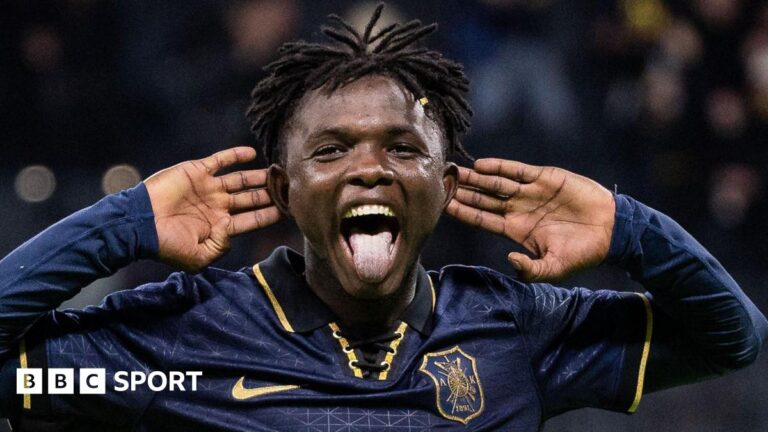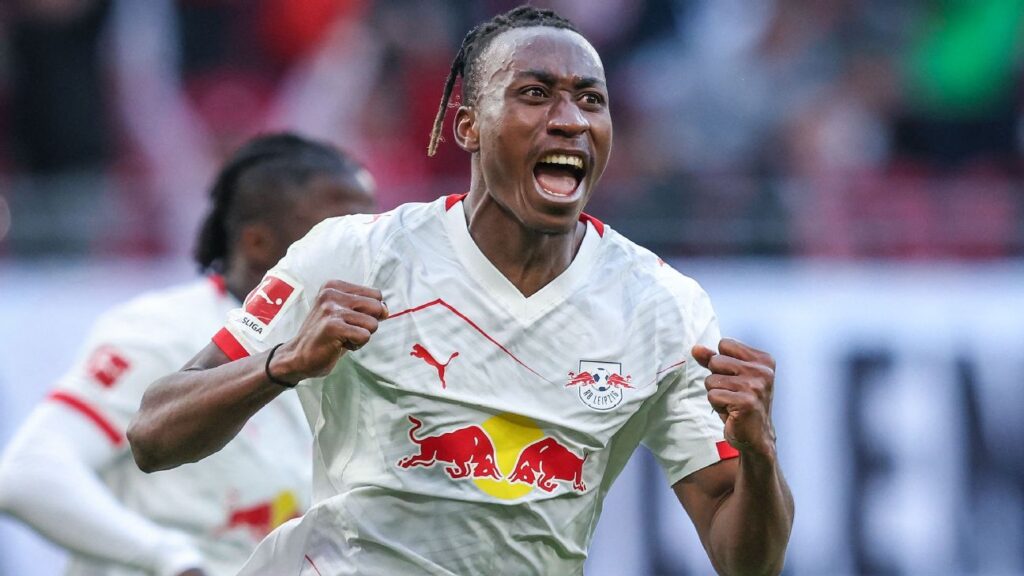
The World Cup has always been football’s ultimate shop window, and this year’s tournament promises to be no different. As the globe’s finest talents converge on the biggest stage in sport, several players will be eyeing more than just international glory—they’ll be showcasing their abilities to Europe’s elite clubs. From emerging talents in lesser-known leagues to established stars seeking that career-defining move, the tournament represents a golden opportunity to secure a dream transfer when the window reopens.
Player Profile
The landscape of potential movers spans across continents and positions. Young Croatian midfielders plying their trade in Serie A, athletic African wingers lighting up domestic competitions, and technically gifted South American forwards all feature amongst those who could transform their careers with standout performances. These players typically fall into the 22-26 age bracket—old enough to have developed consistency, young enough to represent long-term investments for major clubs.
Historically, World Cup breakout stars have commanded premium fees. James Rodríguez’s Golden Boot performance in 2014 earned him a £63 million move to Real Madrid, whilst Kylian Mbappé’s scintillating displays in 2018 as a teenager cemented his status amongst football’s elite. The pattern repeats every four years: defenders who marshal their backlines to unexpected clean sheets, midfield orchestrators who control games against superior opposition, and clinical finishers who grab crucial goals all find themselves catapulted into transfer conversations worth tens of millions.
Club Analysis
Premier League clubs are perpetually on the hunt for value and quality, with scouting departments dispatched to analyse every match. Chelsea, Manchester United, and Newcastle United—all with significant resources and rebuilding projects—are expected to be particularly active. Their recruitment teams will be studying not just goal contributions, but tactical intelligence, physical attributes, and mentality under the unique pressure only a World Cup provides.
European giants including Bayern Munich, Paris Saint-Germain, and the revitalised AC Milan are equally attentive. With Financial Fair Play regulations now more flexible, clubs are seeking players who can make immediate impact whilst offering resale value. The World Cup provides unparalleled data: how does a player perform against elite opposition? Can they handle pressure? Do they possess the mentality required for the Champions League’s latter stages?
Mid-table Premier League sides like Aston Villa, West Ham, and Brighton have also revolutionised their recruitment, targeting players before they become unaffordable. A strong World Cup performance can be the difference between a £15 million signing and a £40 million one six months later—these clubs know the value of early identification.
Transfer Breakdown
Transfer fees for World Cup standouts typically range from £25 million for promising talents to £80 million-plus for established stars who elevate their reputations. Contract lengths usually span four to five years, with wage packages reflecting both current ability and market inflation driven by tournament exposure.
The likelihood of moves materialises on a spectrum. Currently, most prospects sit in the ‘Rumour’ to ‘In Talks’ category, with serious negotiations unlikely until players and agents gauge interest levels during and immediately after the tournament. History suggests 40-50% of heavily linked World Cup performers secure moves in the subsequent windows, though not always to the clubs initially touted.
Competition for signatures will be fierce. A striker who scores in multiple knockout rounds might find himself courted by five or six elite clubs simultaneously, driving up both transfer fees and wage demands. Agents orchestrate these scenarios masterfully, using World Cup exposure to maximise their clients’ earning potential and career trajectory.
What This Means
The broader implications extend beyond individual transfers. Smaller leagues—Portugal’s Primeira Liga, Belgium’s Pro League, the Eredivisie—rely on the World Cup to showcase their talent pipelines to bigger markets. Successful tournaments for their representatives validate their development models and ensure continued investment.
Fan reaction tends towards excitement tinged with anxiety. Supporters of selling clubs brace for inevitable approaches, knowing their best players may be plucked away. Meanwhile, fans of buying clubs debate vigorously on social media about which tournament stars genuinely possess the quality for sustained success versus those enjoying purple patches on football’s grandest stage.
For the Premier League specifically, the World Cup represents another opportunity to consolidate its position as football’s wealthiest and most attractive competition. The influx of World Cup talent reinforces the league’s quality whilst maintaining the commercial appeal that drives broadcast revenues into the stratosphere. Every standout performer who subsequently moves to England validates the league’s supremacy and global reach.
As the tournament unfolds, expect transfer speculation to intensify with each stunning goal, commanding defensive display, or midfield masterclass. The World Cup doesn’t just crown international champions—it creates transfer market winners whose careers and bank balances will never be quite the same again.