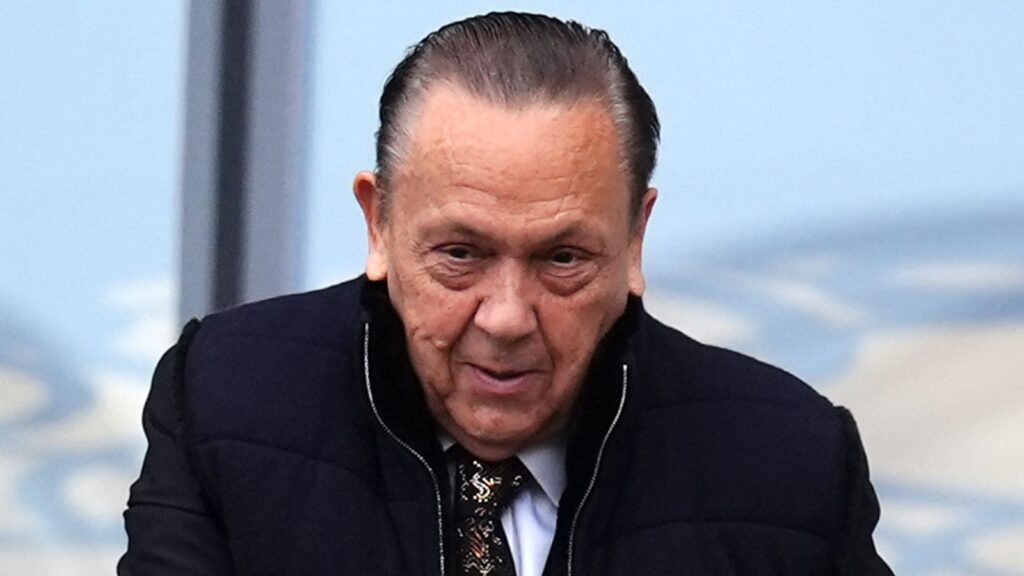
In a seismic shift at the London Stadium, David Sullivan has resigned from his position as joint-chair of West Ham United, bringing an end to a contentious era that has seen the Hammers transform from a Championship club into European competitors, albeit amid constant supporter unrest. The 75-year-old’s departure marks a watershed moment for the Irons, who have endured a turbulent relationship with their fanbase throughout Sullivan’s 14-year tenure alongside David Gold, who passed away in January 2023. Sullivan’s exit comes at a critical juncture for the club, with West Ham navigating both Premier League challenges and the complexities of European football following their historic Europa Conference League triumph in 2023.
Sullivan’s West Ham Legacy
David Sullivan, 75, arrived at West Ham in January 2010 alongside David Gold, purchasing the club from Icelandic bank Straumur for approximately £105 million when the Hammers were languishing in the Championship. A Birmingham-born businessman who made his fortune in media and publishing, Sullivan had previously owned Birmingham City alongside Gold before turning his attention to East London. His tenure has been defined by contradictions – overseeing the club’s move from the Boleyn Ground to the London Stadium in 2016, securing Europa Conference League glory in Prague, and achieving top-seven finishes, whilst simultaneously enduring protests, pitch invasions, and sustained criticism over transfer policy and communication with supporters. Under his stewardship, West Ham have invested heavily in players including Sébastien Haller, Felipe Anderson, and Declan Rice (developed and sold for £105 million), with mixed results that epitomise the frustration many fans have felt. His hands-on approach to transfers and public statements often placed him at odds with managers and supporters alike, creating a fractious atmosphere that has persisted despite on-field successes.
Club Analysis
West Ham United currently find themselves at a crossroads, with Julen Lopetegui’s appointment as manager representing a significant shift in ambition following David Moyes’ departure. The club have invested over £120 million in new talent including Niclas Füllkrug, Crysencio Summerville, and Max Kilman, signalling intent to build on recent European adventures. However, inconsistent Premier League form has left the Hammers hovering in mid-table, far from the European qualification spots they’ve occupied in recent seasons. The London Stadium, whilst providing increased revenue capacity with 62,500 seats, has never fully captured the intimidating atmosphere of the beloved Boleyn Ground, remaining a source of discontent amongst the traditionalist fanbase. Sullivan’s resignation could herald a new era of ownership structure, with Czech billionaire Daniel Křetínský having increased his stake to 27% in recent years and positioned as a potential majority owner. The club’s ambitions to establish themselves as consistent top-six challengers require both sporting stability and boardroom harmony – elements that have proven elusive during Sullivan’s controversial reign. The timing suggests a planned transition rather than crisis management, potentially allowing for a smoother handover of power.
Ownership Transition Details
Whilst specific financial details of Sullivan’s exit have not been disclosed, the move is understood to represent a gradual withdrawal from day-to-day operations rather than a complete sale of his shareholding, estimated at approximately 38.8% of the club. Daniel Křetínský, the Czech energy magnate known as the ‘Sphinx’ for his secretive business approach, appears best positioned to assume greater control, having steadily increased his investment through his Varta Sport vehicle since first acquiring a stake in 2021. The likelihood of this transition progressing to full majority ownership must be classified as ‘Advanced’, with Sullivan’s resignation appearing to clear the path for Křetínský’s anticipated takeover. No competing bidders have emerged publicly, though West Ham’s status as a London club with Premier League stability and European pedigree makes them an attractive proposition in the inflated football ownership market. Contract terms and timelines remain undisclosed, but the structured nature of Křetínský’s incremental investment suggests this has been meticulously planned. Sullivan’s exit removes one of the most recognisable – and divisive – figures in English football ownership, potentially opening a new chapter under less interventionist leadership.
What This Means
Sullivan’s resignation represents more than a mere administrative change – it signals the potential end of an ownership model that has characterised West Ham for nearly a decade and a half. For supporters who have endured years of protests, including the infamous pitch invasion during the 2018 Burnley match and countless demonstrations against the board’s running of the club, this news will be greeted with cautious optimism. The ‘GSB Out’ movement, referencing Gold, Sullivan, and vice-chair Karren Brady, has been a constant backdrop to even the club’s finest achievements, including that magical night in Prague when Jarrod Bowen’s goal secured European silverware. The broader implications for the Premier League are significant – West Ham represent a valuable London asset with untapped commercial potential, and Křetínský’s full control could unlock investment levels that propel them into genuine Champions League contention. Early fan reaction on social media has been celebratory, though tempered by years of disappointment and the understanding that ownership change alone guarantees nothing. The challenge for any incoming regime will be reconnecting the club with its passionate support base whilst maintaining the competitive progress achieved in recent seasons. For West Ham, a club with grand traditions and lofty ambitions, Sullivan’s departure may finally allow them to move forward without the constant background noise of boardroom controversy. Whether this proves a turning point or merely another chapter in a complicated story remains to be seen, but one thing is certain – an era has definitively ended in East London.