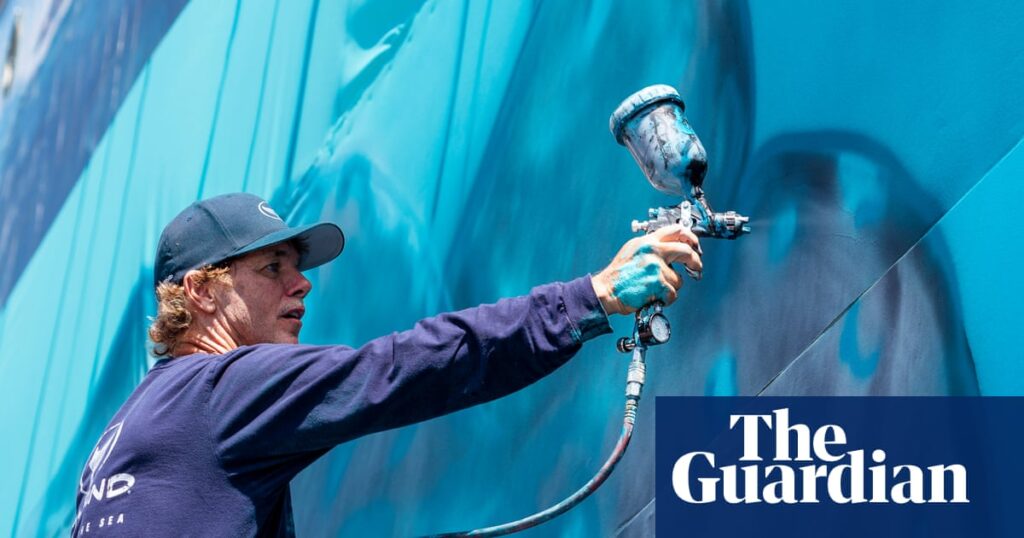
In an extraordinary legal battle that has nothing to do with VAR controversies or transfer sagas, FIFA finds itself embroiled in a $25 million lawsuit after covering up a beloved whale mural in Dallas during World Cup promotional activities. Renowned marine life artist Robert Wyland, whose iconic ‘whaling walls’ have adorned cities across America for decades, is seeking substantial damages after his artwork was concealed without permission – and the 69-year-old Florida-based artist isn’t backing down from football’s governing body.
The Artist Behind the Mural
Robert Wyland – known professionally simply as ‘Wyland’ – has built a remarkable career spanning over four decades creating monumental public art. The California-born artist, now 69 and based in the Florida Keys, specialised in what he terms ‘whaling walls’: massive outdoor murals depicting ocean life with stunning realism and vibrancy. His portfolio includes over 100 such murals across the United States and internationally, with many becoming integral to the urban landscapes they inhabit. The Dallas mural in question, like his other works, features the graceful movement of whales and marine mammals rendered in vivid detail on the side of a downtown building. Wyland’s art philosophy centres on ocean conservation and bringing moments of natural tranquillity to bustling city environments. His works have been valued collectively in the tens of millions, with individual pieces commanding significant recognition in the art world. The artist continues to work prolifically from his Florida studio, creating both paintings and sculptures that celebrate aquatic ecosystems.
FIFA’s World Cup Ambitions
The controversy stems from FIFA’s preparations for major World Cup promotional events in North American cities, as football’s governing body ramps up marketing efforts for tournaments on the continent. With the United States co-hosting the 2026 World Cup alongside Canada and Mexico, FIFA has been orchestrating elaborate promotional campaigns across American cities to build excitement and commercial partnerships. The organisation’s strategy involves high-visibility branding in urban centres, transforming public spaces into World Cup showcases. In Dallas, one of the designated host cities for the 2026 tournament, FIFA’s marketing team apparently deemed Wyland’s whale mural an inconvenient backdrop for their promotional materials and covered it up without securing proper authorisation. This decision reflects FIFA’s historically aggressive approach to brand protection and commercial control during World Cup periods, where the organisation typically demands exclusive advertising rights in and around venues and promotional sites. However, the governing body may have underestimated both the cultural significance of the artwork and the determination of its creator to defend his intellectual property rights.
Legal Battle Breakdown
Wyland is pursuing damages totalling $25 million from FIFA for the unauthorised covering of his Dallas mural during World Cup promotional activities. The lawsuit centres on alleged violations of the Visual Artists Rights Act, which protects artists’ rights to their work and prevents destruction or modification without consent. Legal experts suggest the substantial sum reflects not only the mural’s artistic and commercial value but also seeks to establish a precedent against large organisations casually disregarding artists’ intellectual property. The case status is currently classified as ‘In Advanced Legal Proceedings’, with Wyland’s legal team having filed comprehensive documentation in US federal court. FIFA has yet to publicly comment on the specific allegations, though the organisation faces potential complications given that US law provides robust protections for public artworks. No settlement discussions have been publicly disclosed, and the matter appears headed for protracted litigation. The lawsuit names FIFA directly rather than local promotional contractors, indicating Wyland’s team believes the governing body bears ultimate responsibility for the cover-up decision. Similar cases in American legal history have resulted in multi-million dollar settlements when artists’ rights were violated, giving Wyland’s claim substantial legal foundation.
What This Means
This bizarre intersection of art, law, and football highlights the increasingly complex challenges facing major sporting organisations as they navigate local cultural landscapes during global events. For FIFA, already facing scrutiny over various governance issues, a $25 million legal defeat would represent another embarrassing setback and could force the organisation to completely overhaul how it approaches public space usage in host cities. The case has resonated beyond the art world, with Dallas residents expressing frustration that FIFA would casually obscure a cherished local landmark for corporate branding purposes. On social media, the hashtag #IStandWithWyland has gained traction, with many viewing the dispute as a David versus Goliath battle between individual artistic expression and corporate overreach. For the 2026 World Cup preparations, the lawsuit serves as a cautionary tale about respecting local culture and existing public art when implementing promotional campaigns. Should Wyland prevail, it could establish important legal precedents protecting public artworks from temporary or permanent alteration by commercial entities, even those as powerful as FIFA. The broader football community has watched with bemused interest as the sport’s governing body faces an opponent it cannot simply outspend or intimidate – an artist defending his life’s work with American intellectual property law as his weapon of choice.