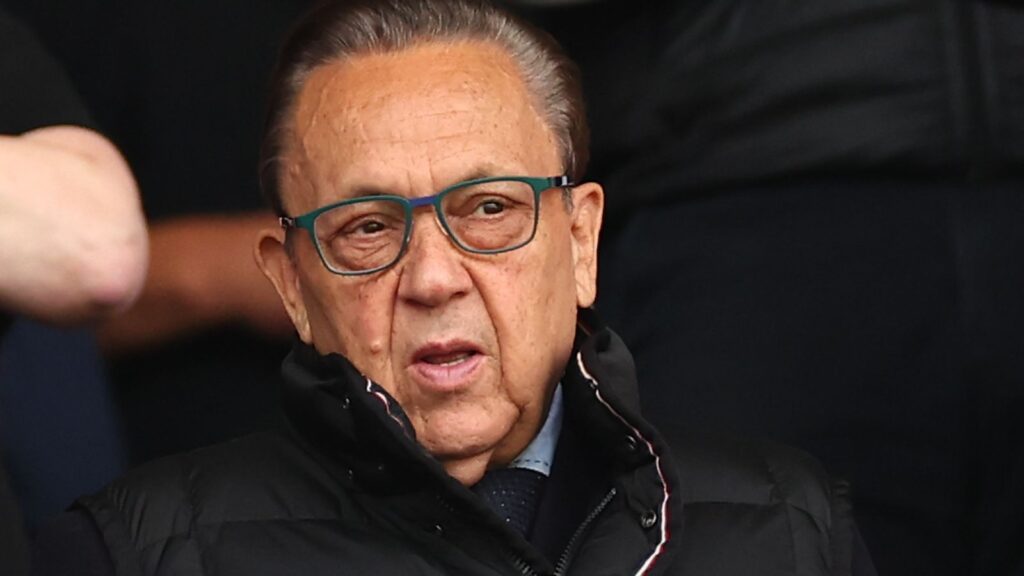
West Ham United finds itself embroiled in deepening controversy as billionaire co-owner David Sullivan faces mounting pressure following a comprehensive joint investigation by the BBC and The Times. The 75-year-old businessman dramatically stepped down from his position as chairman at the London Stadium on Saturday amidst serious allegations of improper conduct, but his troubles appear far from over as the probe intensifies into his business dealings and conduct during his tenure at the helm of the Hammers.
Sullivan’s West Ham Tenure
David Sullivan, alongside David Gold until his passing in 2023, purchased West Ham United in January 2010 for approximately £105 million when the club was struggling in the Championship. The Birmingham-born businessman, who made his fortune initially through the adult magazine industry before diversifying into property and other ventures, has been a polarising figure throughout his 15-year association with the East London club. His reign has witnessed significant highs, including the controversial but financially advantageous move from the Boleyn Ground to the London Stadium in 2016, European qualification on multiple occasions, and the club’s Europa Conference League triumph in 2023. However, Sullivan’s tenure has also been marked by frequent fan protests, accusations of underinvestment in playing staff relative to the club’s revenue, and a fractious relationship with supporters who have long questioned his ambitions for the club.
The Investigation Details
The joint investigation by two of Britain’s most respected media institutions has cast an unforgiving spotlight on Sullivan’s conduct both within football and his wider business empire. While Sullivan stepped down as chairman over the weekend citing allegations of improper conduct, the BBC and The Times probe is understood to be examining multiple areas of concern spanning several years. The investigation reportedly delves into various aspects of his business practices, financial dealings, and conduct during his time overseeing West Ham’s operations. The timing proves particularly awkward for the Hammers, who currently sit mid-table in the Premier League under manager Julen Lopetegui and are attempting to establish themselves as consistent European competitors following significant summer investment in their squad.
Governance Implications
Sullivan’s departure from the chairmanship, though he retains his ownership stake in the club alongside Czech businessman Daniel Křetínský who acquired a 27% share in 2021, raises profound questions about West Ham’s immediate governance structure and long-term direction. The Premier League operates strict owners’ and directors’ tests designed to ensure those running English football clubs meet appropriate standards of propriety and financial probity. Any findings from the ongoing investigation could potentially trigger further scrutiny from the league’s regulatory apparatus, though Sullivan has not been charged with any wrongdoing and maintains he has acted properly throughout his business career. The situation leaves West Ham in an uncomfortable limbo, with supporters demanding clarity on who precisely is steering the club through what promises to be a critical period both on and off the pitch.
What This Means
The escalating situation surrounding Sullivan represents more than just another controversy at a Premier League club—it speaks to broader questions about ownership standards, governance, and accountability in English football’s top flight. West Ham fans, who have endured a turbulent relationship with Sullivan for well over a decade, now face an uncertain future regarding the club’s direction and leadership. Many supporters will view the investigation and his resignation from the chairmanship as vindication of their long-standing concerns, whilst others worry about the destabilising effect during a season where European qualification remains a realistic ambition. The club’s hierarchy must now demonstrate that football operations can continue unaffected whilst these serious matters are resolved. With Křetínský’s influence growing and the possibility of further ownership changes on the horizon, West Ham United stands at a genuine crossroads. The outcome of this investigation could fundamentally reshape the power structure at one of London’s most historic football institutions, with ramifications that extend far beyond the confines of the London Stadium. Premier League officials will be monitoring developments closely, aware that any findings could set important precedents for ownership conduct across English football.