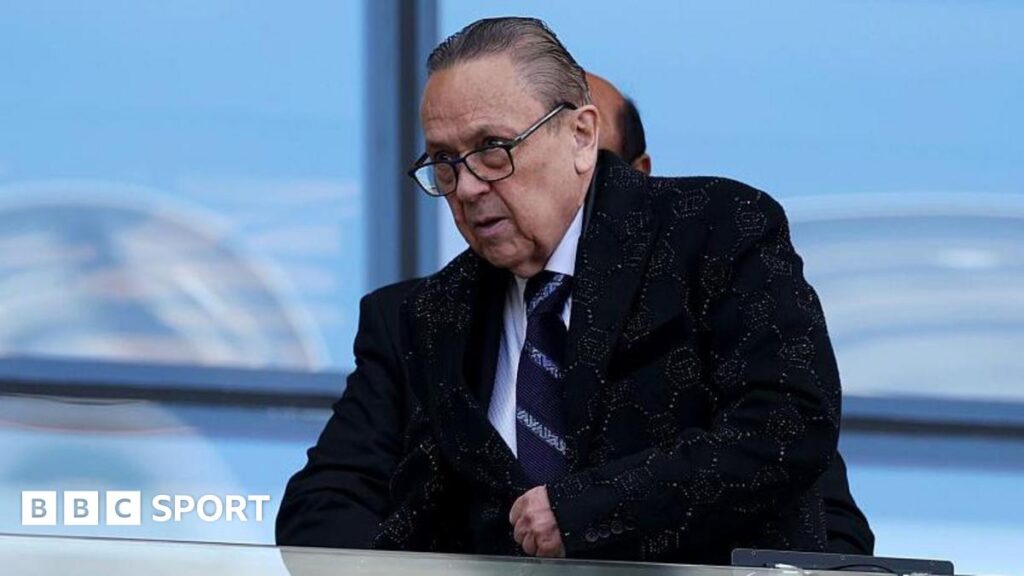
In a dramatic development at the London Stadium, West Ham United co-owner David Sullivan has resigned from his position as joint chairman and director with immediate effect. The 75-year-old businessman, who has been at the helm of the Hammers alongside David Gold since their takeover in 2010, cited “having been made aware of the impending publication of serious historic allegations” as the reason for his sudden departure. The news sends shockwaves through the Premier League club at a crucial juncture in their season, raising questions about the future ownership structure and stability of a side that has experienced significant transformation over the past 15 years.
Sullivan’s Tenure at West Ham
David Sullivan, alongside the late David Gold, purchased West Ham United in January 2010 for approximately £105 million when the club was struggling in the Championship. The Birmingham-born businessman brought considerable wealth from his various business ventures, promising to restore the Irons to their former glories. Over his 15-year tenure as joint chairman, Sullivan oversaw the club’s promotion back to the Premier League in 2012, the controversial but historic move from the Boleyn Ground to the London Stadium in 2016, and significant investment in playing personnel. Under his stewardship, West Ham secured Europa League qualification and memorably won the Europa Conference League in 2023 – their first major trophy since 1980. Sullivan was known for his hands-on approach to transfer dealings, often personally negotiating contracts and fees, which occasionally drew criticism from supporters who felt he interfered with footballing matters. His relationship with the fanbase was complex, marked by periods of intense criticism over broken promises and perceived lack of ambition, balanced against eventual success in European competition.
Club Analysis
West Ham currently find themselves in a precarious position both on and off the pitch. Under manager Julen Lopetegui, appointed in the summer, the Hammers have endured an inconsistent campaign and sit nervously in mid-table, having failed to replicate the attacking verve that characterised David Moyes’s successful tenure. The club’s ownership structure has already been evolving, with Czech billionaire Daniel Křetínský increasing his stake to 27% in recent months and holding an option to eventually take majority control. Sullivan’s departure accelerates what many view as an inevitable transition of power at the club. The timing is particularly sensitive as West Ham navigate a challenging Premier League season whilst attempting to balance financial fair play considerations with the need for squad investment. The board must now ensure stability during this period of upheaval, with remaining directors and Křetínský expected to assume greater operational control. The club’s ambitious five-year plan to establish themselves as regular European competitors now faces uncertainty, though the existing football operations structure under technical director Tim Steidten should provide some continuity in transfer and recruitment matters.
Leadership Transition Details
Sullivan’s resignation as joint chairman and director takes effect immediately, marking the most significant governance change at West Ham since the passing of David Gold in 2023. The nature of his departure – citing impending publication of serious historic allegations – distinguishes this from a planned succession. Křetínský, who has been steadily increasing his investment through his Cretinsky Foundation company, is widely expected to assume greater control, though the exact timeline for his anticipated majority takeover remains unclear. The departure leaves questions about day-to-day operational leadership, with other board members including vice-chairman Karren Brady likely to play expanded roles during the transition. Sullivan’s exit removes a figure who, for better or worse, had been central to every major decision at the club for 15 years – from managerial appointments to record transfer signings like Lucas Paquetá and Declan Rice’s eventual departure. The club has indicated that further announcements regarding board composition and governance structure will follow in due course. With Křetínský’s existing 27% stake and option to acquire Sullivan and Gold’s combined shares, the pathway toward a new ownership era appears clear, though the accelerated timeline introduces complications.
What This Means
Sullivan’s sudden departure represents a seismic moment for West Ham United, potentially marking the definitive end of the Sullivan-Gold era that has defined the club for a decade and a half. For supporters, reactions will likely be mixed – whilst many have long called for new ownership and fresh direction, particularly after years of frustration with transfer policy and perceived lack of ambition, the circumstances of his exit and the uncertainty it creates are concerning. The manner of departure, explicitly referencing serious historic allegations, will dominate headlines and risks becoming an unwelcome distraction as the team battles in the Premier League. From a football operations perspective, the immediate impact should be limited; managers typically deal with football directors and executives rather than chairmen on daily matters, and Steidten’s technical directorate provides institutional knowledge. However, major decisions – managerial changes, significant transfer investments, stadium developments – now face a vacuum of clear ultimate authority. For the Premier League more broadly, this adds another chapter to the ongoing transformation of club ownership, with traditional British businessmen-owners increasingly replaced by international billionaires and investment groups. West Ham fans will hope that Křetínský’s seemingly inevitable ascension to majority control can proceed smoothly and that the new regime brings the sustained investment and clear sporting vision that has often seemed absent. The coming weeks will prove crucial in determining whether this represents a chaotic disruption or the necessary catalyst for a club seeking to establish itself among English football’s elite.