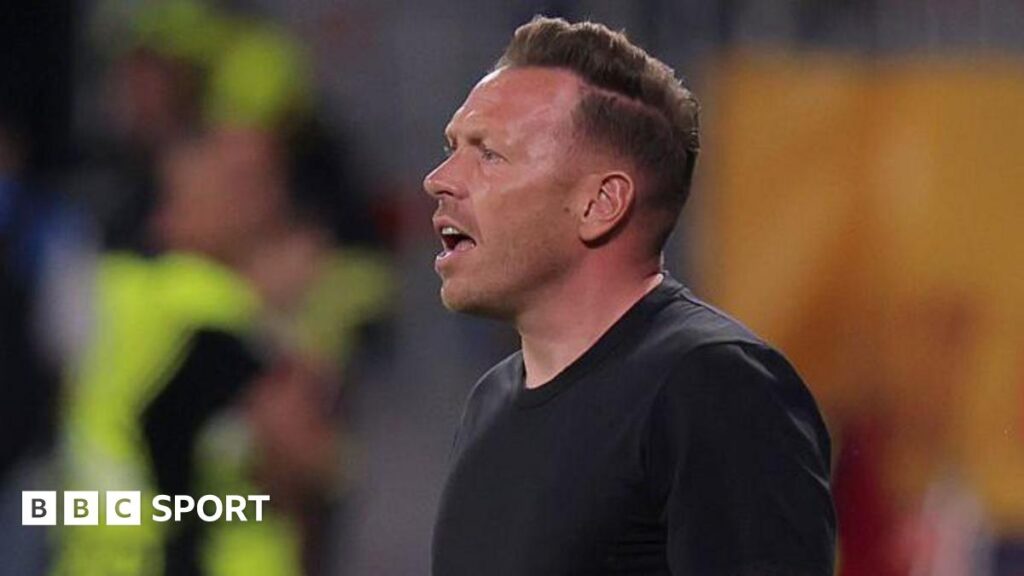
Craig Bellamy has issued a stark warning to his Wales squad after watching them fall to a disappointing 2-1 friendly defeat against Romania in Bucharest. The Dragons boss, speaking candidly in the aftermath of Wednesday night’s setback, admitted his side were well below the standards required as they prepare for crucial UEFA Nations League fixtures on the horizon. The loss in the Romanian capital has raised questions about Wales’ readiness as they navigate life in a new era under Bellamy’s management.
Manager Profile
Craig Bellamy, 44, took charge of the Wales national team in July 2024, succeeding Rob Page after a tumultuous period for Welsh football. The former Liverpool, Newcastle United and Manchester City striker earned 78 caps for his country, scoring 19 goals, and represented Wales at their historic Euro 2016 campaign. Known for his passionate, high-intensity playing style, Bellamy has translated that energy into his coaching philosophy, previously working as Vincent Kompany’s assistant at Burnley and spending time in youth development with Cardiff City. His managerial approach emphasises aggressive pressing, quick transitions and technical development—principles he honed whilst coaching within the Welsh FA’s youth system. This latest defeat marks only his fourth match in charge, with Wales still adapting to his methods following their failure to qualify for Euro 2024.
Current Situation Analysis
Wales find themselves at a crossroads under Bellamy’s stewardship. The Nations League campaign has been the primary focus, with Wales competing in League B after their relegation from the top tier. The friendly against Romania was designed as crucial preparation, an opportunity to fine-tune tactics and build cohesion ahead of competitive fixtures. However, the performance in Bucharest exposed defensive frailties and a lack of cutting edge in the final third—issues that have plagued Welsh football since their golden generation began to fade. With talismanic figures like Gareth Bale and Aaron Ramsey now retired from international duty, Bellamy faces the monumental task of blooding a new generation whilst maintaining competitiveness. The manager’s insistence on significant improvement reflects his understanding that Wales cannot afford to fall further behind their European counterparts, particularly with World Cup 2026 qualifying approaching rapidly. The defeat has intensified scrutiny on team selection, tactical flexibility and whether the transition period might be more painful than anticipated.
Performance Breakdown
The 2-1 reverse in Romania represented Wales’ second defeat in four matches under Bellamy, with the Dragons struggling to impose themselves against organised opposition. Romania, themselves rebuilding under Edward Iordănescu, dominated possession for large spells and capitalised on Welsh defensive lapses to establish a 2-0 advantage before a late consolation goal provided scant comfort for the travelling contingent. The likelihood of immediate improvement sits somewhere between ‘In Progress’ and ‘Uncertain’—Bellamy has the tactical acumen and motivational skills to turn things around, but the absence of world-class talent compared to previous Welsh squads means results may fluctuate significantly. Other nations in Wales’ competitive sphere, including Turkey, Iceland and Montenegro, will have noted the vulnerabilities exposed in Bucharest. The upcoming Nations League double-header represents a genuine test of whether Bellamy can arrest this concerning slide or whether Wales face a prolonged period in the international wilderness.
What This Means
Bellamy’s brutally honest assessment signals that the honeymoon period is well and truly over. Welsh supporters, spoiled by the Bale-inspired exploits that saw them reach a Euro 2016 semi-final and qualify for Euro 2020, must now recalibrate expectations as their national team undergoes painful regeneration. The manager’s demand for significant improvement isn’t just rhetoric—it’s recognition that Wales risk becoming also-rans in European football if standards slip further. Social media reaction from the Red Wall has been mixed, with some fans appreciating Bellamy’s no-nonsense approach whilst others question whether the playing personnel available can truly compete at the required level. The broader implications for Welsh football are substantial: failure to qualify for major tournaments impacts funding, player development pathways and national morale. Bellamy knows he needs results, and soon. The romantic notion of a former Welsh hero leading his nation to glory will quickly sour if performances don’t match ambitions. This Romania defeat may prove either a valuable learning experience or the first warning sign of a difficult era ahead—only time will tell which narrative prevails.