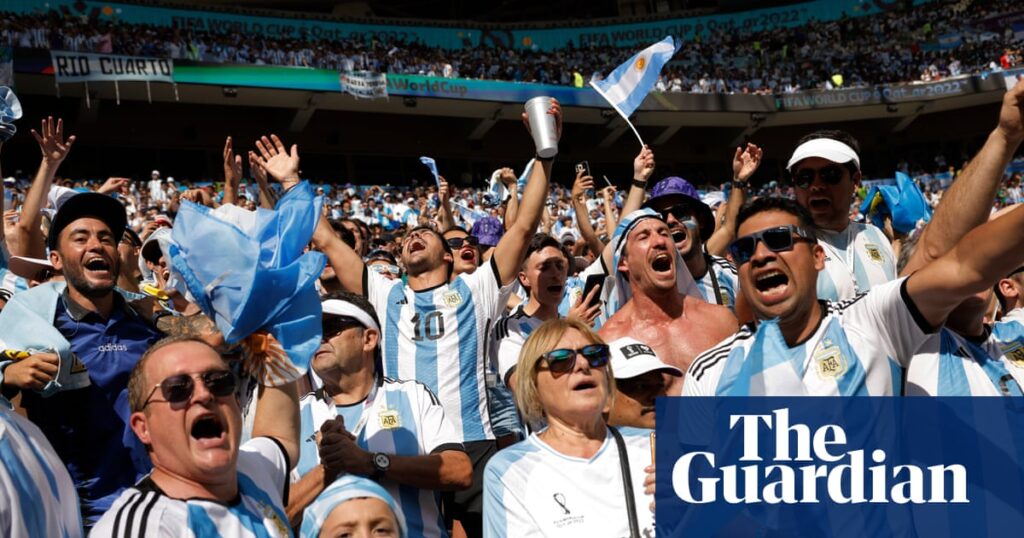
The 2026 World Cup stands on the horizon as perhaps the most divisive edition of football’s greatest tournament in living memory. As 104 matches prepare to unfold across three nations over 39 days, supporters worldwide find themselves torn between the irresistible allure of the beautiful game and profound concerns about accessibility, politics, and the very soul of the competition. With the opening fixtures just days away and the final scheduled for 19 July in New Jersey, the mood amongst the global football family is one of cautious anticipation mixed with genuine frustration—a far cry from the unbridled excitement that typically greets the World Cup’s arrival.
Player Profile
This World Cup will showcase the twilight years of Lionel Messi and Cristiano Ronaldo, whilst ushering in a new generation of superstars. England’s Jude Bellingham, at 22, arrives as the Premier League’s most complete midfielder, combining elite technical ability with tactical intelligence beyond his years. Brazil’s Vinícius Júnior has developed into the world’s most electrifying winger, registering 28 goals and 17 assists across all competitions this season for Real Madrid. France’s Kylian Mbappé remains the tournament’s most devastating forward, capable of deciding matches with a single explosive run. Meanwhile, emerging talents like Spain’s Lamine Yamal, who turns 18 during the tournament, and Argentina’s Alejandro Garnacho represent football’s future, providing glimpses of what the 2030 edition might hold.
Club Analysis
The expanded 48-team format represents FIFA’s boldest commercial gambit yet, transforming the World Cup from a month-long festival into a sprawling six-week extravaganza spanning three countries and multiple time zones. The logistical challenges are unprecedented: supporters face journeys exceeding 2,000 miles between certain fixtures, whilst the climate varies dramatically from Vancouver’s temperate Pacific coast to Mexico City’s high-altitude heat. FIFA’s ambitions are transparently financial—projected revenues exceed £8.5 billion—but the governing body insists the expansion democratises football, offering nations from smaller confederations unprecedented opportunities. Critics argue the bloated format dilutes quality and prioritises profit over sporting merit, whilst the decision to award hosting rights to the United States during a period of political turbulence has proven deeply controversial amongst supporters who view football as incompatible with certain aspects of American culture and current political leadership.
Transfer Breakdown
The tournament’s financial implications are staggering. Ticket prices have sparked outrage, with some group-stage matches commanding £200 whilst knockout fixtures exceed £800—pricing out ordinary supporters and favouring corporate hospitality. Travel costs compound the issue: supporters following their nation could face expenses approaching £5,000 when accounting for multiple flights, accommodation in three separate countries, and extortionate local transport. The likelihood of a successful tournament from a sporting perspective remains high—world-class players will deliver moments of brilliance regardless of context—but the probability of it feeling accessible and authentic to traditional football supporters appears worryingly low. Corporate interests dominate, with reports suggesting 40% of tickets allocated to sponsors and partners rather than genuine fans. Competing interests between FIFA’s commercial partners, host nations’ political agendas, and the football community’s desires have created an unprecedented tension that threatens to overshadow events on the pitch.
What This Means
This World Cup represents a crossroads for international football. The beautiful game’s biggest showcase has become a battleground between tradition and commercialisation, accessibility and exclusivity, sporting purity and political reality. Fan reaction has been notably subdued compared to previous editions—social media sentiment analysis reveals significantly lower enthusiasm levels than Russia 2018 or Qatar 2022, with anger about ticket prices and political concerns dampening excitement. Yet football possesses a unique alchemy, a capacity to transcend controversy through moments of individual brilliance and collective drama. History suggests that once the opening whistle sounds, grievances fade temporarily as the tournament’s narrative takes hold—the underdog victories, the generational talents announced on the global stage, the penalty shootout heartbreak that defines World Cup folklore. The broader impact on football’s ecosystem could prove profound: if this expanded, commercialised format succeeds financially despite alienating traditional supporters, it establishes a troubling precedent for future tournaments. Conversely, if fan discontent translates into diminished engagement and reputational damage, FIFA may be forced to reconsider its trajectory. For now, supporters remain caught between their justified anger at being priced out and sidelined, and their undying love for the game itself—a game that still, despite everything, promises moments of magic that make the world stop and watch.