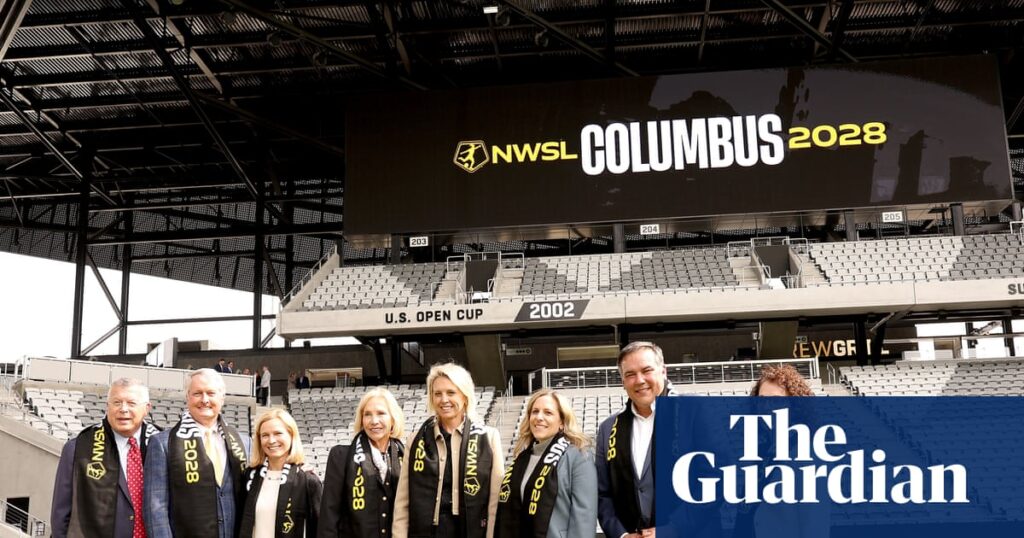
Columbus, Ohio finds itself at the centre of a brewing storm over public funding in American sport as the city prepares to welcome a new NWSL expansion franchise for a staggering $205 million. While supporters who famously rescued the Columbus Crew from relocation in 2017 celebrate the arrival of women’s professional football, serious questions are emerging about the financial arrangements and public resources being allocated to privately-owned sporting ventures. The deal highlights the increasingly fraught relationship between American cities and sports franchises, where taxpayer money and billionaire ambitions collide in ways that leave many fans conflicted about their loyalties.
Player Profile
This story centres not on individual players but on the Columbus sporting community itself, particularly Emily Kegg and members of the Nordecke supporters’ group. The Nordecke, which grew from the grassroots ‘Save the Crew’ movement in 2017-18, now boasts just under 600 dedicated members who transformed from casual supporters into organised activists when MLS and former ownership threatened to relocate their beloved Crew to Austin, Texas. These supporters represent a new breed of American football fan – passionate, organised, and increasingly politically aware about the business side of sport. Their successful campaign to retain the Crew, which culminated in new ownership led by the Haslam and Edwards families purchasing the club in late 2018, demonstrated the power of supporter mobilisation in American sports culture, traditionally dominated by passive consumer relationships rather than the vocal fan activism common in European football.
Club Analysis
The Columbus Crew ownership group’s decision to pursue an NWSL expansion franchise represents a logical extension of their investment in the city’s football ecosystem. The National Women’s Soccer League has experienced remarkable growth in recent years, with record attendance figures, increased media coverage, and genuine commercial momentum following the US Women’s National Team’s continued international success. Columbus represents an attractive market – a mid-sized American city with demonstrated football passion, corporate support, and infrastructure already in place from the Crew’s operations. The $205 million expansion fee, a record for NWSL, reflects the league’s rapid appreciation in value and investor confidence in women’s football’s commercial trajectory. However, the ownership’s ambitions extend beyond simply fielding a team; they’re seeking public subsidies for facilities and infrastructure, arguing that the economic benefits to Columbus justify taxpayer investment – a claim that’s proving divisive even amongst the very supporters who fought to keep professional football in the city.
Transfer Breakdown
The financial structure of Columbus’s NWSL entry represents a complex public-private arrangement that’s becoming increasingly common – and controversial – in American sports. The $205 million expansion fee, paid to NWSL, marks a watershed moment for women’s professional football globally, dwarfing previous valuations and signalling serious institutional investment. However, the total project cost extends well beyond the franchise fee, with significant public funding being sought for stadium facilities, training grounds, and supporting infrastructure. While exact figures remain subject to negotiation and political approval, the arrangement follows a familiar American sports playbook: private owners retain franchise equity and revenue streams whilst municipalities provide land, tax breaks, and infrastructure funding justified by projected economic impact and civic prestige. Competing interests include other potential NWSL markets and the question of whether these public resources might be better allocated to community football programmes, youth development, or other municipal priorities. The likelihood of the franchise launching as planned remains at ‘Advanced’ stage, with political and community approval processes still ongoing despite the expansion fee being confirmed.
What This Means
This Columbus situation encapsulates a fundamental tension in modern sport: the collision between genuine supporter passion and the harsh realities of sports business economics. Fan reaction has been notably split – many celebrate the arrival of elite women’s football and the opportunity to support another local team, whilst others, including veterans of the Save the Crew movement, question whether their grassroots activism has inadvertently empowered ownership groups to extract public subsidies. Emily Kegg’s sentiment that it ‘leaves a bad taste in my mouth’ reflects a growing sophistication amongst American football supporters who increasingly understand the financial mechanisms behind their clubs. For the NWSL, Columbus represents both validation of the league’s commercial progress and a potential cautionary tale about sustainable growth models. The broader implications extend across American sports, where the public-private stadium funding model faces mounting criticism even as franchise valuations soar. European football observers might recognise parallels with ongoing debates about ownership structures, financial regulation, and supporter representation. Ultimately, Columbus’s experience may prove instructive for football communities globally: winning the battle to keep your team doesn’t necessarily mean winning the war over who controls it and who pays for it.